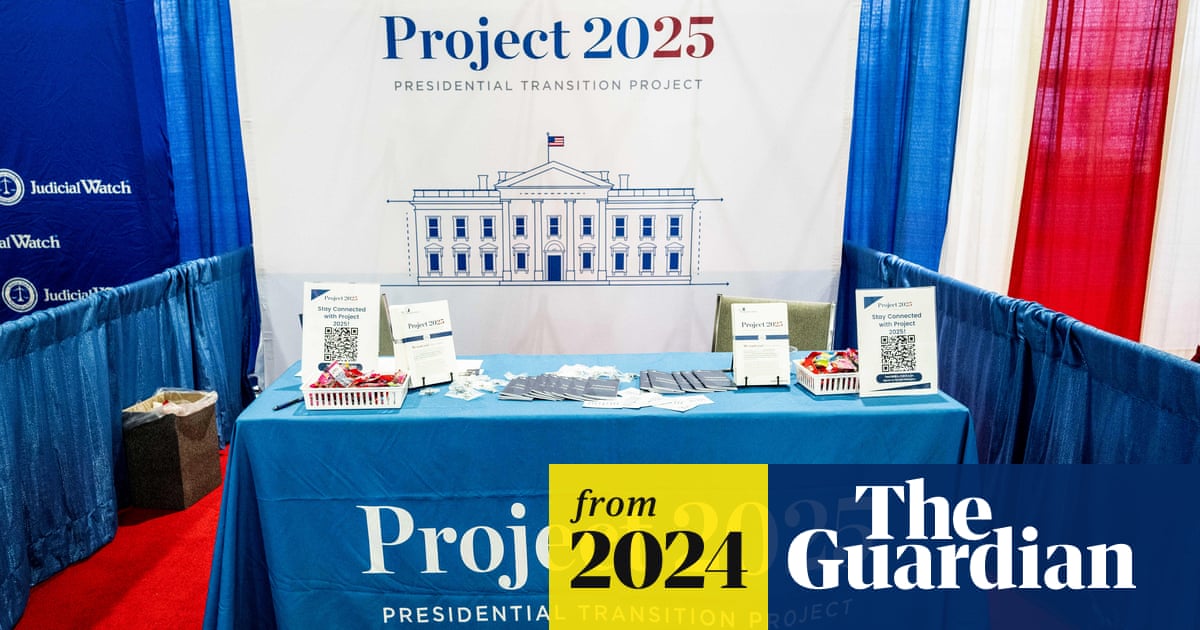
The political landscape is rife with ambitious undertakings, but few have garnered as much attention and ignited as much debate as Project 2025. This comprehensive initiative, spearheaded by the conservative Heritage Foundation and involving over 100 right-of-center organizations, represents a monumental effort to prepare a potential Republican presidential administration for a radical overhaul of the federal government starting in 2025. At its heart lies a fundamental question: Is this project a necessary reform to an overgrown bureaucracy, or a dangerous step towards consolidating power?
To understand Project 2025, it's helpful to first consider what defines a "project" in a broader sense. According to the Project Management Institute (PMI), a project is a temporary endeavor undertaken to create a unique product, service, or result. It involves a series of structured tasks, activities, and deliverables carefully executed to achieve a desired outcome. From this perspective, Project 2025 is unequivocally a meticulously planned and executed project, aiming for a distinct "result": a reimagined federal government. However, the nature of that result is precisely what fuels the intense controversy.
Understanding the Ambitions of Project 2025
Project 2025 is far more than a simple policy wish list; it's a meticulously crafted blueprint designed for rapid implementation. Its architects envision a strategic project life cycle, encompassing everything from feasibility and design to eventual deployment. The initiative is built upon four interconnected pillars, each crucial for the realization of its ambitious goals:
- The Mandate for Leadership Policy Guide: This sprawling document, exceeding 900 pages, is the intellectual core of the project. It provides detailed policy recommendations and a roadmap for reforms across virtually every executive agency. It’s the "design" phase in action, outlining precisely how to dismantle and rebuild.
- A Personnel Database: Recognizing that policies are only as good as the people who implement them, Project 2025 has established a comprehensive database to identify and vet thousands of potential appointees. These individuals are selected for their alignment with conservative principles, ensuring a unified approach to governance.
- Training Programs: To ensure that vetted appointees are prepared for their roles, the project includes robust training programs. This aims to equip future civil servants and political appointees with the knowledge and tools necessary to navigate the federal bureaucracy and implement the proposed changes effectively.
- The 180-Day Action Playbook: This critical component serves as a tactical guide for the initial six months of a new administration. It outlines specific actions and executive orders that can be swiftly implemented to kickstart the reforms, ensuring momentum from day one. This is the "deploy" phase, engineered for rapid, impactful action.
For a deeper dive into these foundational elements, explore Reshaping the Federal Government: Key Pillars of Project 2025. Proponents of this project argue that its primary goal is to reduce the size and scope of the federal bureaucracy. They view the current "administrative state" as an unaccountable entity that has expanded beyond its constitutional limits. Their recommendations, drawing from first-principles conservative philosophy, aim to restore the separation of powers and curtail executive overreach that they believe has accumulated over decades.
The "Bureaucracy Reform" Argument: Deconstructing the Administrative State
From the perspective of its advocates, Project 2025 is a long-overdue and necessary project of bureaucratic reform. They contend that the modern federal government has become an unwieldy, often obstructionist force, characterized by layers of regulations and unelected officials wielding significant power. The term "administrative state" is often invoked to describe this perceived leviathan, which conservatives argue undermines democratic accountability and economic freedom.
The reform agenda includes several key proposals:
- Reclassifying Civil Servants: A significant proposal involves reclassifying thousands of federal employees, particularly those in policy-making roles, to make them easier to remove. The argument is that this would ensure that elected mandates are carried out without internal resistance, a perceived problem based on empirical evidence of bureaucratic opposition in recent U.S. history.
- Eliminating Agencies: Certain federal agencies, such as the Department of Education, are targeted for elimination or significant restructuring. Proponents believe these agencies overstep federal authority and would be better managed at state or local levels, or through private initiatives.
- Prioritizing Core Conservative Policies: The project seeks to embed policies emphasizing family structures, strengthen border security, push for energy independence through deregulation, and foster economic growth by reducing regulatory burdens across the board.
This perspective frames Project 2025 as a direct response to what it sees as the progressive expansion of government authority. It seeks to correct a perceived imbalance, returning power to elected officials and the states, thereby aligning the government more closely with the original constitutional framework. The structured nature of this entire project, with its detailed plans and personnel strategies, underscores the seriousness with which these reforms are being pursued.
The "Power Consolidation" Argument: Alarms and Assertions
On the other side of the debate, critics of Project 2025 view it not as reform, but as an alarming scheme to consolidate power and fundamentally alter the democratic fabric of the United States. Left-leaning organizations, media outlets, and civil liberties advocates have characterized the project as authoritarian, warning that its implementation would erode civil liberties and impose extreme social policies.
Key concerns frequently highlighted by opponents include:
- Threats to Democracy: Critics argue that weakening the civil service and centralizing power in the executive branch could undermine the checks and balances essential to a democratic system, potentially leading to an unchecked presidency.
- Erosion of Rights: Specific fears revolve around the potential for the project to restrict abortion access, weaken environmental protections, and roll back LGBTQ+ rights, among other social issues. The focus on "first-principles conservative philosophy" is interpreted by critics as a pathway to imposing a narrow ideological agenda.
- Authoritarian Tendencies: The rapid implementation plan and the focus on loyalty within the personnel database are seen by some as indicators of an attempt to bypass established democratic processes and install loyalists regardless of expertise.
The Heritage Foundation and other contributors to the project vehemently counter these characterizations, calling them deliberate distortions. They emphasize that Project 2025 is independent of any single candidate, represents a broader movement conservatism, and is solely focused on reversing what they perceive as progressive overreach, not on establishing an authoritarian state. However, the controversy highlights the vast ideological chasm regarding the proper role and structure of government.
Navigating the Policy Labyrinth: Your Role as an Informed Citizen
Understanding a massive undertaking like Project 2025 requires more than just skimming headlines; it demands critical engagement. Whether you lean right or left, this project could have profound implications for American governance and society. Here are some practical tips for navigating this complex policy debate:
- Read Beyond the Headlines: Major policy initiatives are often simplified or sensationalized. Make an effort to consult original source material where possible, or detailed analyses from reputable, diverse news organizations. The Heritage Foundation's own website provides extensive documentation of the project.
- Distinguish Intent from Impact: Separate the stated goals of Project 2025's proponents (e.g., bureaucracy reform, constitutional restoration) from the potential, often unintended, consequences highlighted by its critics (e.g., power consolidation, erosion of rights). Both are important facets of the debate.
- Understand the Mechanics of Governance: The project's detailed nature, particularly its focus on personnel and swift executive action, underscores the intricate workings of the federal government. Understanding how policy is made, implemented, and resisted provides crucial context.
- Engage with Different Perspectives: Actively seek out analyses from various ideological viewpoints. This is not about finding a "middle ground," but about gaining a fuller understanding of the arguments, concerns, and perceived benefits from all sides.
- Consider Historical Precedent: While Project 2025 is unique in its scale, understanding past attempts at federal reform or expansion can provide valuable context for evaluating its potential outcomes.
Like any well-managed project, Project 2025 has clearly defined phases: from the initial feasibility study (identifying the administrative state as a problem) and the design phase (the Mandate for Leadership), to the impending build and deploy phases (implementation). Understanding this structured approach can help you appreciate the depth of planning involved and the potential for real, systemic change.
Project 2025 stands as a quintessential example of an ambitious political project designed to reshape the future. The debate surrounding it—whether it represents a vital effort to reform an overbearing bureaucracy or a dangerous step towards power consolidation—is not merely academic. Its outcome will impact the lives of millions and fundamentally alter the trajectory of American governance. Informed civic participation, grounded in a thorough understanding of both its aims and its potential ramifications, is paramount as this unprecedented undertaking unfolds.